Safe Learning Environments Training
Specialist safe learning environments training for higher education and performing arts staff covering OfS Condition E6, harassment, inclusion, boundaries, freedom of speech and professional practice.
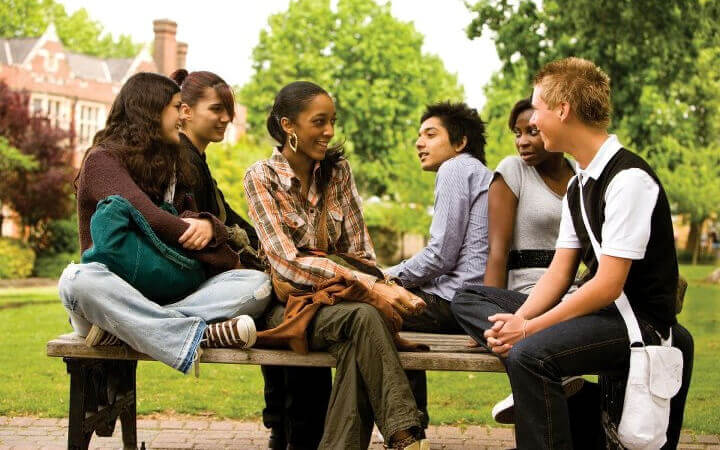
Specialist safe learning environments training for higher education and performing arts staff covering OfS Condition E6, harassment, inclusion, boundaries, freedom of speech and professional practice.
Creative learning depends on challenge, experimentation and trust. It also requires clear professional boundaries, respectful behaviour and effective routes for raising concerns. This specialist course helps higher education and performing arts staff create learning environments in which students can participate, develop and take creative risks while harassment, bullying, sexual misconduct and inappropriate behaviour are recognised and addressed.
In‑house courses are private sessions delivered exclusively for a group of people from your organisation, on a date that suits you, with the option to tailor the content to your staff and setting.
Open courses are public Equality and Diversity UK training dates that anyone can book onto, ideal when you only need training for one or two people.
Performing arts education can involve emotional intensity, physical proximity, personal disclosure, improvisation, challenging subject matter and close relationships between learners and teaching staff.
These features can support powerful learning, but they also make clarity about consent, professional boundaries, communication and expectations particularly important.
A safe learning environment does not mean removing challenge or discomfort from education. It means creating conditions in which challenge is purposeful, professional and supported by clear expectations and appropriate safeguards.
Psychological safety should not be interpreted as a guarantee that learners will never feel uncomfortable. Education can involve disagreement, critique and demanding creative work. The aim is to distinguish legitimate educational challenge from harassment, humiliation, coercion, discrimination or inappropriate use of power.
Actor training, rehearsal, movement, voice work and performance can involve activities that would be unusual in many other educational settings.
Staff therefore need to communicate expectations clearly and recognise how authority, assessment, casting, progression and professional aspiration can affect a learner's confidence to question an activity or raise a concern.
The relationship between educator and learner contains an inherent difference in power. Staff may influence assessment, opportunities, casting, references, progression and access to professional networks.
The course explores how professional boundaries protect both learners and staff and why apparent informality should not obscure professional responsibilities.
Learners do not all experience teaching methods, physical spaces, language or institutional culture in the same way.
Disability, race, sex, religion or belief, sexual orientation, gender reassignment, age and other aspects of identity and experience can intersect with learning environments and power relationships.
Delegates explore inclusive teaching, accessible participation, reasonable adjustments where applicable, respectful language and ways of reducing avoidable barriers without lowering legitimate academic or professional standards.
The course is particularly suitable for drama schools, conservatoires, universities and other higher education providers delivering acting, theatre, dance, musical theatre and related performing arts programmes.
Participants may include lecturers, tutors, directors, movement and voice practitioners, visiting professionals, academic managers, student support teams and other staff who influence the learner experience.
Establish clear boundaries, expectations and routes for responding to concerns.
Navigate creative challenge, rights, academic freedom and professional responsibility.
Create learning practices that support access, dignity, participation and respect.
For English higher education providers within its scope, Office for Students Condition E6 forms an important part of the regulatory context concerning harassment and sexual misconduct affecting students.
The course helps staff understand how their everyday professional behaviour connects with institutional arrangements for prevention, reporting, response and support.
Training can be tailored to the provider's own policies and procedures so delegates understand not only the wider principles but also what they are expected to do within their institution.
Staff explore behaviour ranging from obvious misconduct to situations where professional boundaries, repeated behaviour or misuse of authority create concern.
The course distinguishes between conduct that may potentially engage legal or regulatory provisions and behaviour that may be inappropriate or contrary to institutional expectations without automatically being unlawful.
Consent is particularly important where learning involves touch, physical proximity, intimacy, emotionally demanding material or personal disclosure.
Delegates consider how expectations can be communicated clearly, how learners can raise concerns and how teaching approaches can avoid creating unnecessary pressure to participate in ways that cross reasonable boundaries.
Higher education institutions must navigate important responsibilities relating to freedom of speech and, where applicable, academic freedom alongside equality, harassment and other legal and regulatory duties.
These principles should not be reduced to a simple choice between "free speech" and "safety".
Delegates use scenarios to consider lawful expression, disagreement, controversial material, teaching context, professional conduct and circumstances in which behaviour may cross into harassment or other prohibited conduct.
Staff may be the first person a learner approaches even where they are not responsible for investigating complaints.
Delegates explore how to listen, avoid making premature judgements, explain relevant boundaries of confidentiality and connect the learner with appropriate institutional reporting or support routes.
Safe learning environments also depend on whether learners can participate meaningfully.
Teaching methods and activities should consider accessibility and the potential for unnecessary barriers. Disabled learners may require reasonable adjustments, while inclusive design can improve participation more widely.
Delegates consider how legitimate learning outcomes can often be maintained while adapting the route through which a learner participates.
Creative work may engage with identity, accent, culture, history, stereotypes and representation.
The course helps staff facilitate these issues thoughtfully without assuming that learners from particular backgrounds should educate others, disclose personal experiences or represent an entire community.
A learner becomes distressed during work involving emotionally demanding material.
How should staff respond while maintaining appropriate educational boundaries?
An exercise involves physical contact and a learner appears uncomfortable with what is being requested.
How can consent, alternatives and learning objectives be handled?
A student reports discomfort with the way a member of staff communicates outside scheduled teaching.
What should happen next and which institutional processes may be relevant?
A respectful learning environment does not require everybody to share the same beliefs or perspectives.
Staff need skills for facilitating disagreement without allowing discussion to become personally degrading, intimidating or exclusionary.
The course considers ground rules, intervention, challenge and how to restore productive discussion when tensions increase.
Trust can be damaged when similar behaviour appears to be treated differently depending on who is involved, their status or whether a complaint has attracted attention.
Delegates consider the value of clear expectations, appropriate documentation and consistent use of institutional processes while recognising that different circumstances may require different responses.
Creative education should provide room for experimentation, challenge and sometimes failure. The objective is not to eliminate creative risk but to ensure that learning takes place within professional boundaries, with appropriate support and without avoidable harassment, discrimination, coercion or misuse of power.
By the end of the course, delegates should be better able to:
All our courses are tailored to ensure the training reflects your organisation's goals, learning environment and priorities.
The course can be delivered face-to-face or online via Zoom or Teams.
To support participation, discussion and interaction, we recommend the following group sizes per session:
Need to train a larger workforce? No problem. We regularly work with organisations that need to train larger numbers of employees. Where appropriate, training can be delivered across multiple sessions to ensure everyone receives the same high-quality, interactive learning experience. We can develop a delivery programme to suit your workforce size, locations and timescales.
Please note: the half-day rate is not always available for face-to-face sessions.
Over 25 years' experience delivering equality, diversity and inclusion training, consultancy and professional development.
Keep updated with the latest equality and diversity news, offers and updates.