Supporting Black and Ethnically Diverse Children in Foster Care
Practical training for foster carers and children's services supporting Black and ethnically diverse children, exploring identity, belonging, racism and culturally responsive care.
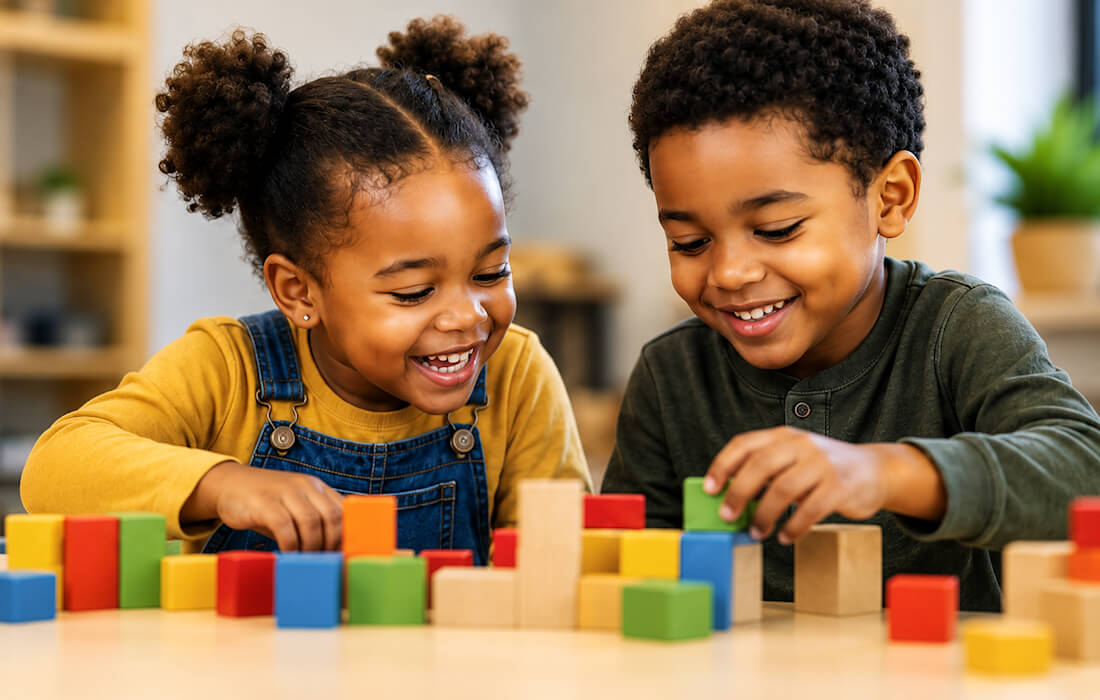
Practical training for foster carers and children's services supporting Black and ethnically diverse children, exploring identity, belonging, racism and culturally responsive care.
Every child needs to feel that their identity is understood, valued and supported. For Black and ethnically diverse children in foster care, this includes meaningful support for their racial, cultural, religious and personal identity as part of everyday care.
Caring well for a child involves much more than meeting practical needs. Children need opportunities to develop a positive sense of who they are, where they belong and how their family, heritage, culture and experiences form part of their identity.
This practical course helps foster carers and professionals explore how culture, race, racism, identity and belonging can affect children's experiences, while developing the confidence to provide thoughtful and culturally responsive support.
Children and young people are not defined by a single aspect of identity. Race and ethnicity may interact with family history, religion or belief, language, nationality, disability, sex, sexuality, community, care experience and many other aspects of a young person's life.
The course encourages carers to remain curious about the individual child rather than relying on assumptions about what somebody from a particular racial, ethnic or cultural background should need, believe or experience.
Delegates consider how everyday care can help children maintain meaningful connections with their identity and develop a positive sense of belonging.
This course is suitable for foster carers and professionals involved in supporting Black and ethnically diverse children and young people, including:
No previous specialist knowledge of race or cultural diversity is required.
Positive identity develops through everyday experiences. Children need to see themselves, their families and people who share aspects of their identity represented positively in the world around them.
The course explores practical ways carers can support this, including books, toys, media, food, celebrations, history, community activities, relationships and opportunities for children to develop authentic connections with people and communities that reflect their heritage.
Importantly, culturally responsive care is not about creating a checklist of activities. The starting point should always be the individual child's identity, experiences, relationships, wishes and needs.
Understand how racial, cultural, religious, family and personal identities can contribute to a child's developing sense of self.
Consider how children can be supported to feel secure and valued within their foster family while maintaining meaningful connections with their heritage and communities.
Develop practical approaches that respond to the individual child rather than stereotypes or assumptions about racial and cultural groups.
Black and ethnically diverse children may experience racism, racial stereotyping, prejudice or exclusion. These experiences can occur at school, online, within communities, among peers or in other areas of everyday life.
Carers need to be able to listen when a child talks about racism without minimising, dismissing or immediately questioning their interpretation of what happened.
Delegates consider age-appropriate ways of discussing race and racism, responding when incidents occur and helping children develop confidence and resilience without placing the responsibility for racism on the child experiencing it.
Foster carers do not need to share a child's racial or cultural identity to provide loving and effective care. However, good intentions alone do not automatically provide the knowledge or experience needed to understand every aspect of a child's life.
The course encourages carers to develop cultural humility: being willing to learn, ask appropriate questions, recognise gaps in their own knowledge and seek information or support where necessary.
This can be particularly important where a child's foster family does not share their racial, ethnic, cultural or religious background.
Personal care can have an important relationship with identity, confidence and belonging. Different hair textures and skin types may require products, techniques and routines with which some carers are unfamiliar.
The course encourages carers to approach these needs with respect and curiosity, seek appropriate advice where required, and recognise that learning how to care properly for a child's hair and skin can form an important part of culturally responsive care.
Care should remain individual: there is no single hair, skin or personal-care routine that applies to every Black or ethnically diverse child.
Religion and belief may be central to some children's identity and have little significance to others. Cultural traditions, language, food, clothing, festivals and relationships with extended family or community may also have different meanings for different children.
Delegates explore how carers can support important connections without making assumptions, imposing their own interpretation of a culture or treating cultural identity as something that only matters on special occasions.
Cultural competence does not mean memorising supposed facts about different racial or ethnic groups. People within the same community can have very different identities, beliefs, histories and experiences.
Effective support therefore combines knowledge with curiosity, listening and an understanding that the child and people who know them well are important sources of information about their individual needs.
By the end of the course, delegates should be better able to:
The course is interactive and encourages delegates to consider realistic situations that may arise in foster care.
Learning can include trainer input, case studies, scenarios, individual reflection, group discussion and practical exercises. The emphasis is on creating a respectful environment where delegates can ask questions, examine assumptions and develop practical approaches they can use in their role.
In-house delivery enables the programme to reflect your organisation's fostering or children's services context, existing policies, the experience of delegates and particular issues you would like the training to address.
Relevant scenarios and examples can be incorporated so that delegates can connect the learning directly to their work with children and young people.
All our courses are tailored to ensure the training reflects your organisation's goals, care practices and priorities.
The course can be delivered face-to-face or online via Zoom or Teams.
To support participation, discussion and interaction, we recommend the following group sizes per session:
Need to train a larger workforce? No problem. We regularly work with organisations that need to train larger numbers of employees. Where appropriate, training can be delivered across multiple sessions to ensure everyone receives the same high-quality, interactive learning experience. We can develop a delivery programme to suit your workforce size, locations and timescales.
Please note: the half-day rate is not always available for face-to-face sessions.
Over 25 years' experience delivering equality, diversity and inclusion training, consultancy and professional development.
Keep updated with the latest equality and diversity news, offers and updates.